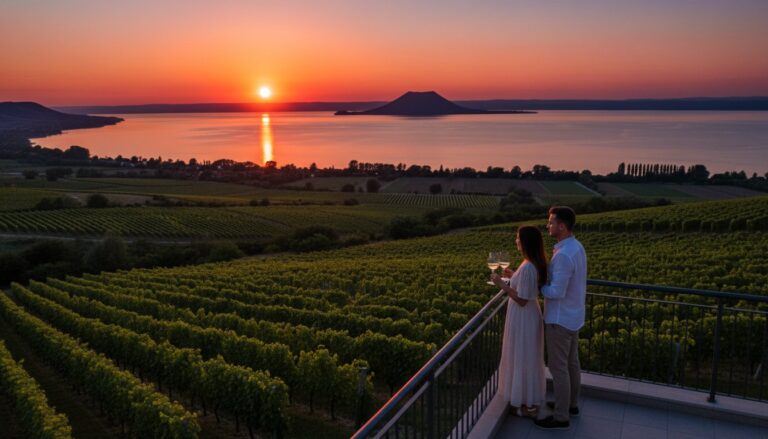
If you feel you've already seen everything on the shores of Lake Balaton, get ready for a journey through time guided by water! Csopak's sights are not only about wine: the village's springs and public wells form a living geological museum. Discover with us how these wonderful wells shaped the history of the area, and what secrets lie deep in their limestone rocks!

The dual nature of Csopak's waters
Two special types of water mix beneath the ground in Csopak:
1. Carbonated "sour waters"
These are after-effects of the area's volcanic past, and these springs only come to the surface in the immediate vicinity of the Balaton shore.
2. Hard karst waters
Water seeping down from the limestone hills above us. These are the traditional drinking water springs:
- High mineral content: especially calcium and magnesium
- The basis of local farming: used for irrigation for centuries
- A network of living water: they feed the Séd stream system
The golden age of the carbonated springs
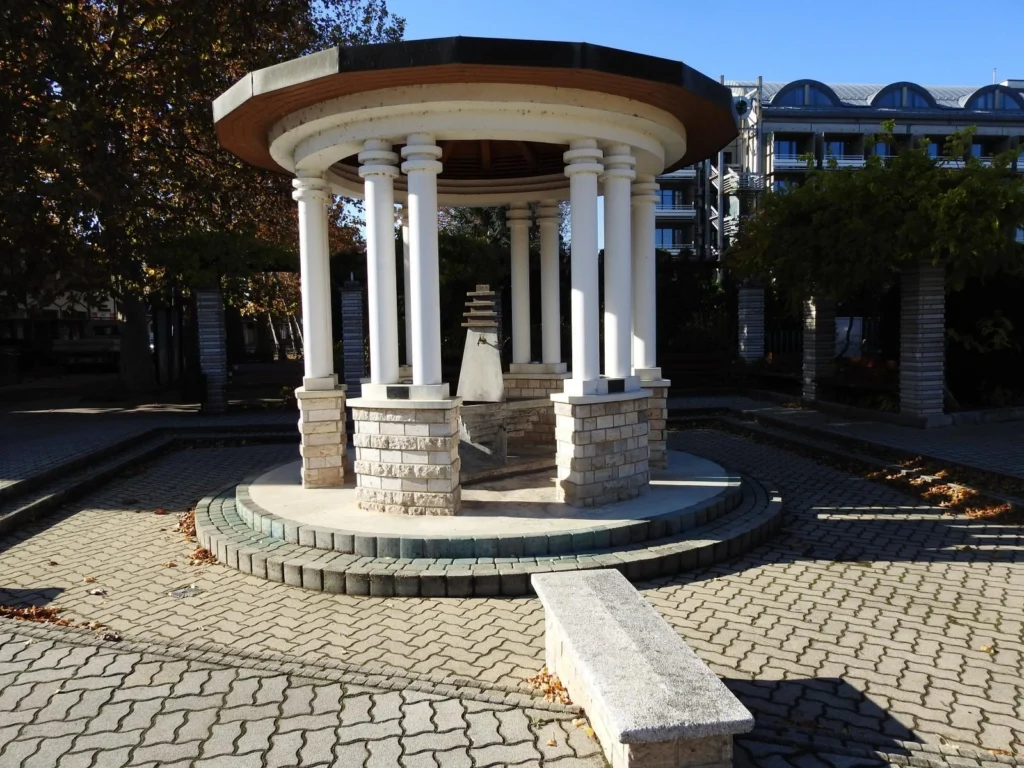
Saint Stephen and Gisela Well
The ornamental well stands opposite the main entrance of the beach. Things worth knowing:
- A favourite with visitors: there is a superb view of the lake from beside the well
Public wells: the lifeblood of village life
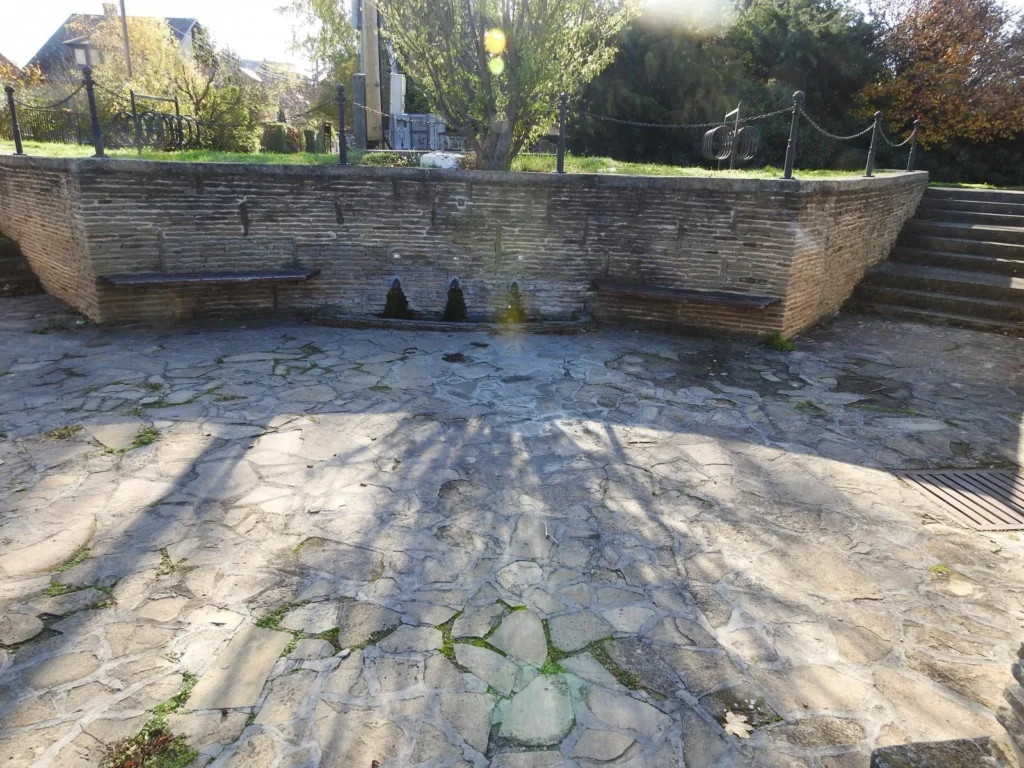
Bodonkút
On the western side of Berekhát, it was named after an ancient wooden tub ("bödön"):
- Steady flow: a plentiful spring still rises beneath it today
Fejes Well
The mysterious spring beside the Séd stream:
- A role in farming: used to water the nearby gardens
- A natural fridge: farmers cooled their milk here in summer
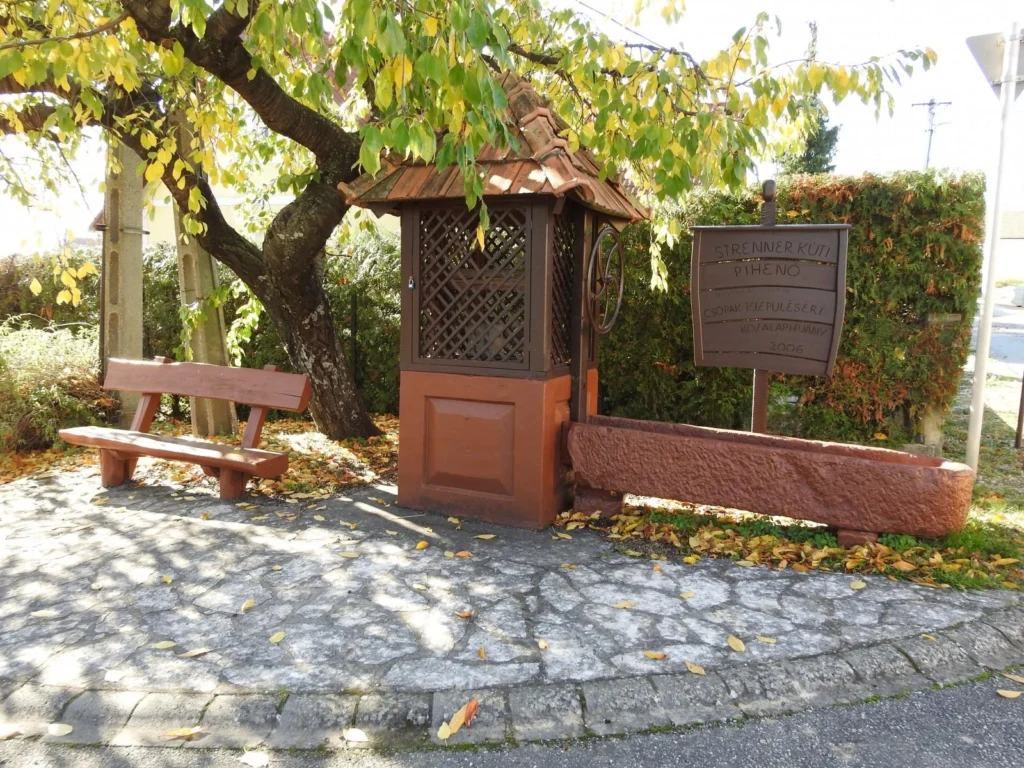
Vörös Well
The sight beside the Csonkatorony (Stump Tower):
- Watering animals: animals were watered from it on the banks of the Séd
Practical tips for water explorers
When to go?
- In spring: the flow is strongest in April and May
- Autumn colours: in October the area around the springs turns golden
What not to miss
- Take a photo of the ancient stone basin of Bodonkút
- Walk the path of wells along the Séd stream
Safety warnings
- Watch out for slippery stones in wet weather
Next time you sip a Csopak mineral water, remember that these drops are the fruit of a geological process millions of years in the making!
Earlier posts:
How airport parking costs have changed over the past 10 years
MotoGP 2025: an exciting season and the return of the Hungarian Grand Prix
The perfect corporate event venue at Hotel Csopak Resort & Lake